
Chimney Repair • Sayreville, NJ
Chimney Leak Repair in Sayreville, NJ
Water staining around the fireplace?
Chimneys are the number one source of roof leaks in older homes, but the fix depends on whether it's the flashing, the masonry or the crown. Call (732) 641-1662 to reach an independent local roofing provider who can tell the difference and fix the right thing. If you're searching for chimney leak repair near me in Sayreville, one call connects you with an independent local roofing contractor.
Flashing, masonry or crown: which one is leaking?
The three suspects, in order of likelihood: the flashing where the chimney meets the roof, the masonry absorbing water through failed mortar joints, and the cracked crown on top.
Each fix is completely different work, which is why diagnosis comes first.
Call (732) 641-1662 and describe what you see.
Chimney leak repair
Chimney leak repair means finding where water enters around or through a chimney and sealing it. The flashing at the chimney base is the most common culprit, but cracked crowns, missing caps, and porous masonry cause leaks too.
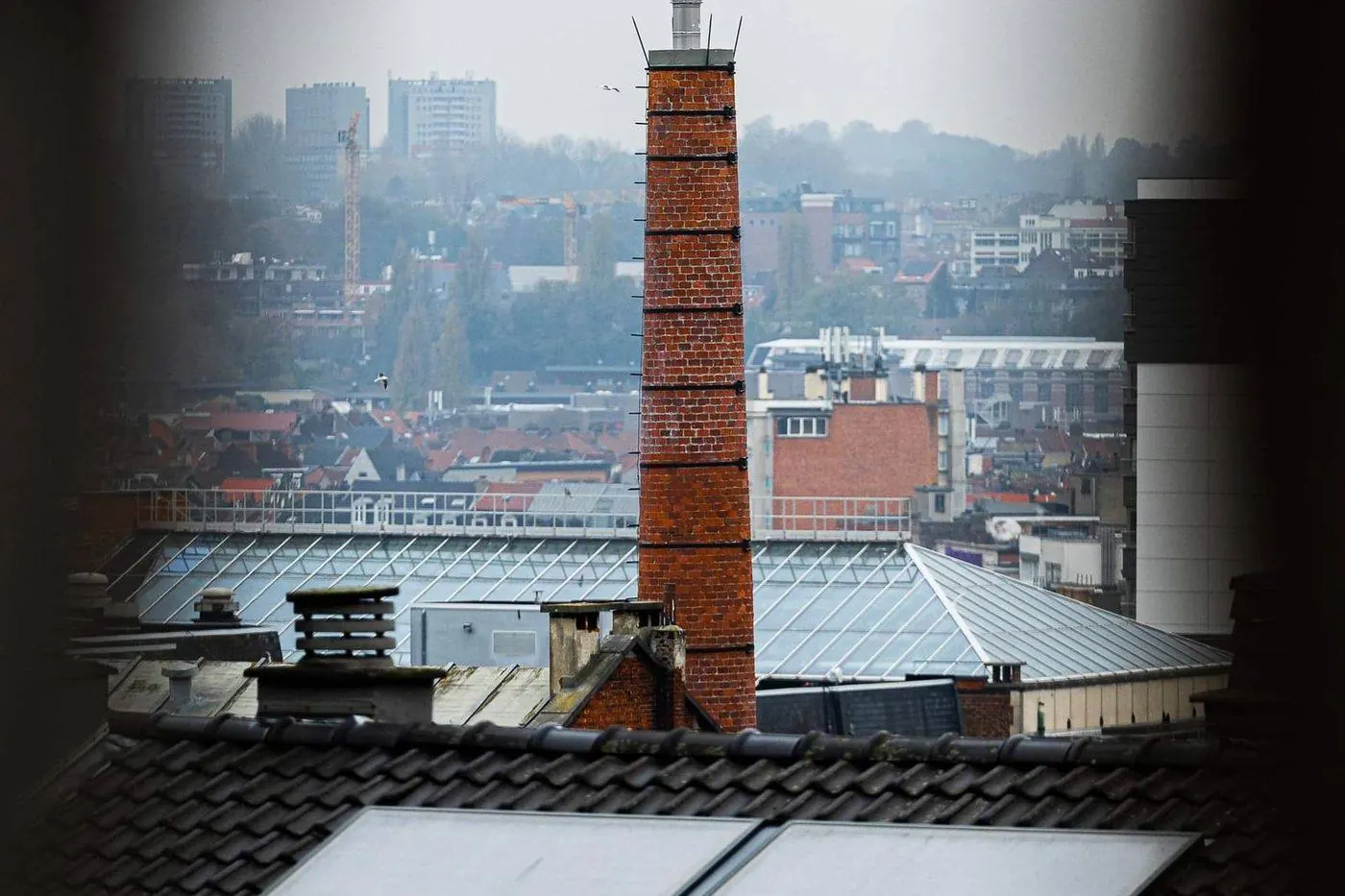
A chimney is a masonry tower punched through your roof, which makes it, waterproofing-wise, a problem wearing a brick disguise. Chimney leak repair means diagnosing which part of the chimney system is letting water in and fixing that specific part. The three suspects, in order of likelihood: the flashing where the chimney meets the roof, the masonry (bricks and mortar joints absorbing water), and the crown (the concrete cap on top). If you are searching for chimney leak repair near me in Sayreville, start by noting when the leak appears. A leaking chimney repair in NJ often traces to flashing, but chimney crack repair and chimney cap leak repair are common fixes too.
Getting the diagnosis right matters because each fix is completely different work. Rebuilding flashing won't help a cracked crown. Waterproofing the bricks won't help failed flashing. And too many "chimney leak repairs" are just a tube of caulk at the base, which fails within a season or two and leaves the homeowner convinced chimneys simply always leak. They don't. The right repair, done once, stays dry for years.
Methods
How chimney leak repair works
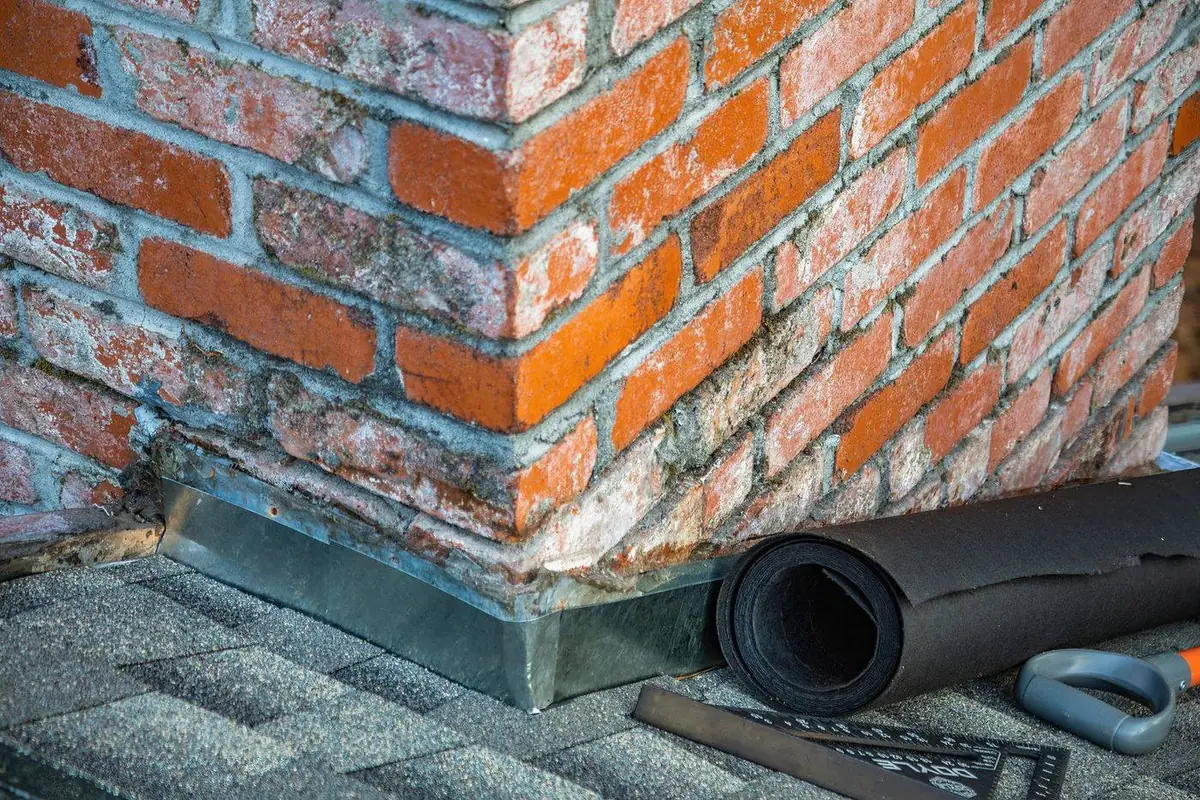
Flashing rebuild. The most common fix. The provider removes the shingles around the chimney base, installs new step flashing woven with the shingle courses plus counterflashing set into the mortar joints, and re-shingles. This is proper roof flashing repair applied to a chimney, the only lasting fix when the metal is rusted, lifted or was installed wrong. Expect a half to full day of work.
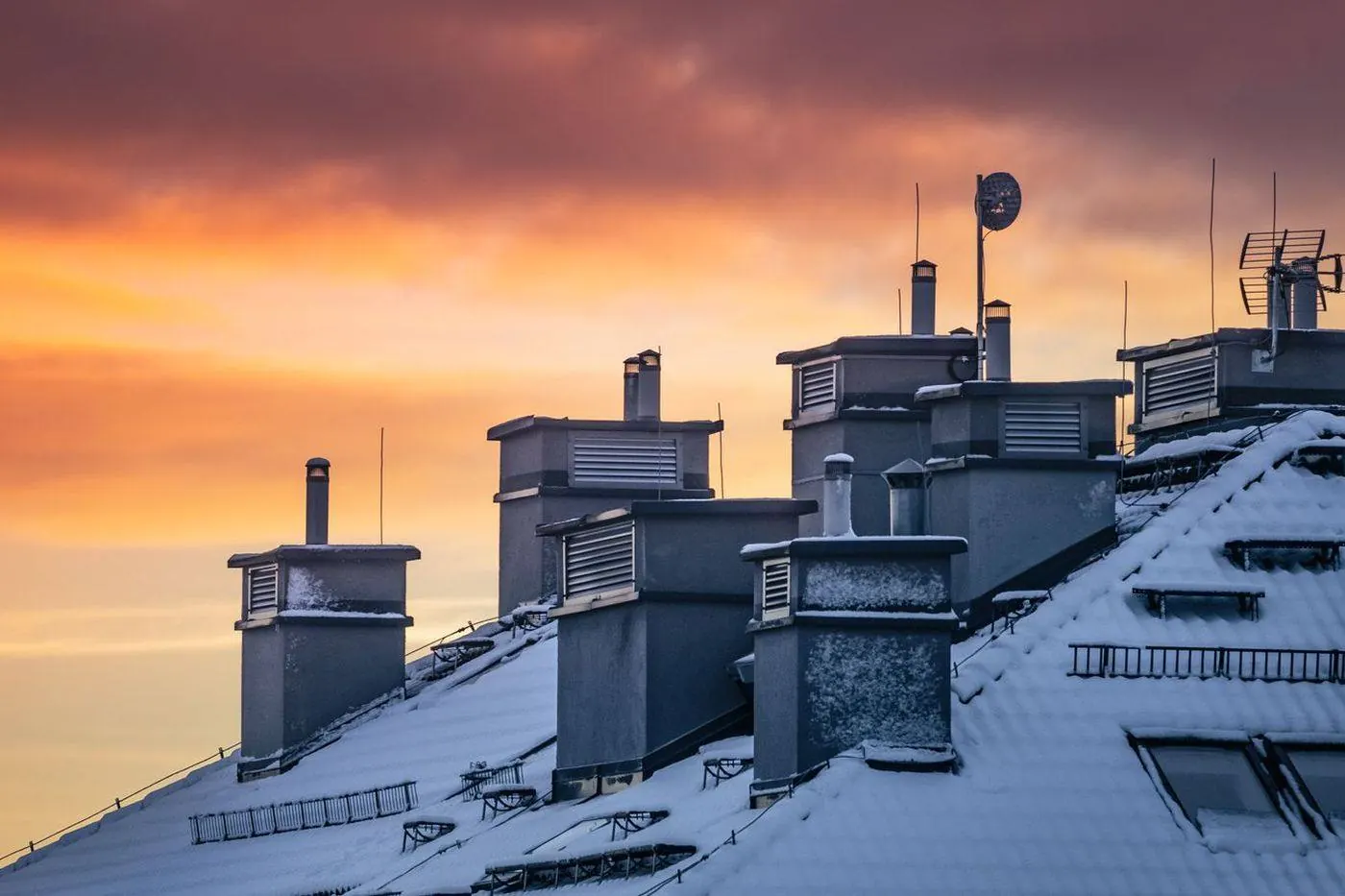
Crown repair or rebuild. The crown is the concrete slab capping the chimney. When it cracks, and most original crowns eventually do, water pours directly into the masonry below. Small cracks get sealed with crown-specific sealant; badly deteriorated crowns get rebuilt with proper concrete, sloped to shed water and overhanging the brick edge. A rebuilt crown is one of the highest-value chimney repairs there is.
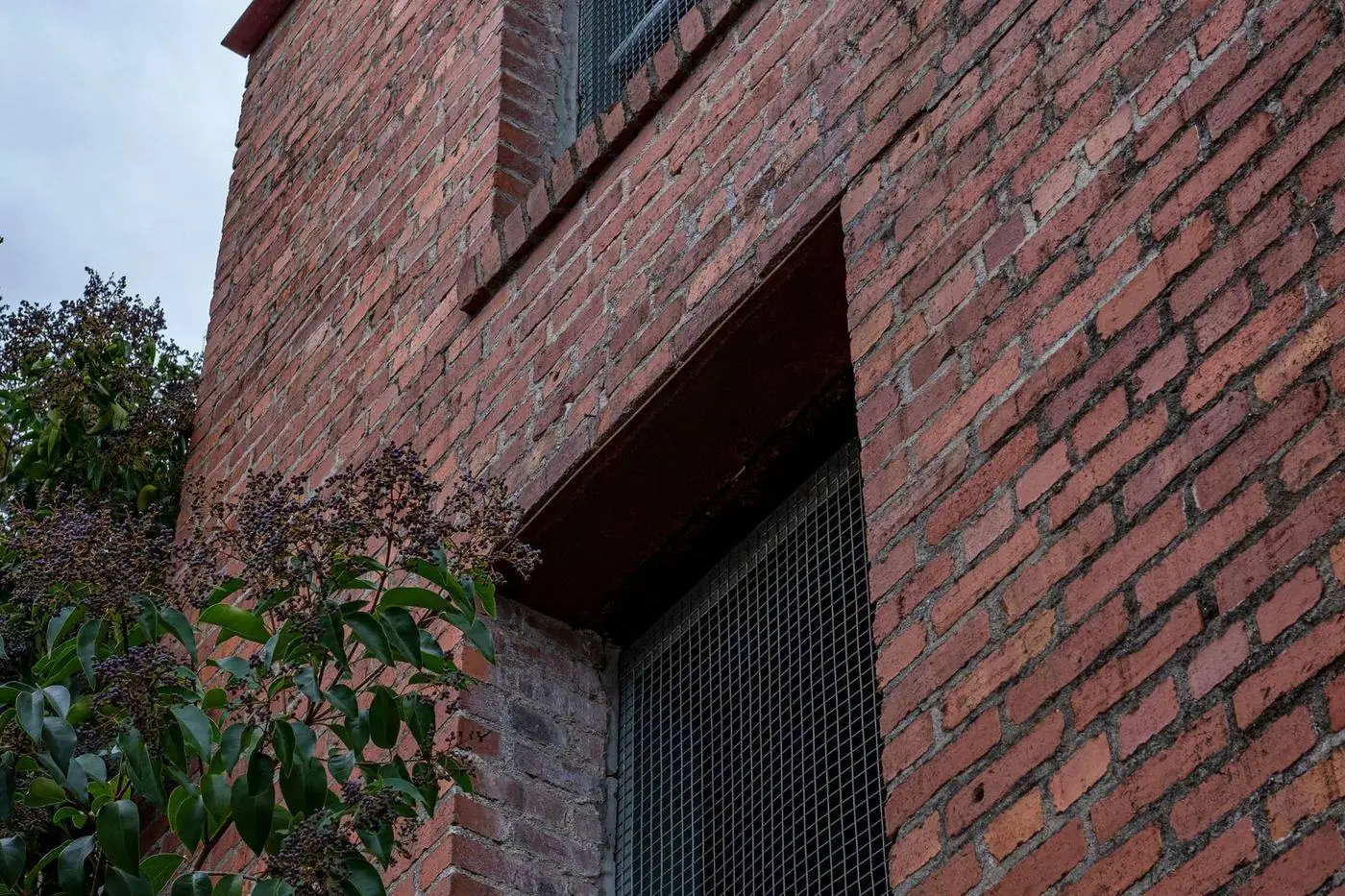
Masonry repair. When bricks are spalling (faces popping off) and mortar joints are crumbling, the chimney absorbs water like a sponge. The fix is repointing, grinding out failed mortar and packing in new, plus replacing badly spalled bricks, then applying a breathable masonry water repellent. Note "breathable": the wrong sealer traps moisture inside and accelerates the damage.
Cricket installation. On the uphill side of wide chimneys, water and debris pile against the masonry. A cricket (also called a saddle) is a small peaked flashing structure that diverts water around the chimney. If your chimney is wider than about 30 inches and has no cricket, adding one during a flashing rebuild is smart prevention.
Know the signs
8 warning signs your chimney is leaking
- Stains on the ceiling near the fireplace. The classic sign, brown rings on the ceiling or wall adjacent to the chimney breast, often growing after each rain.
- Damp or musty fireplace smell. Water entering the chimney system keeps the firebox damp; that sour, musty odor after rain is water you can't see yet.
- White staining on the brick (efflorescence). Those white crystalline patches are minerals left behind as water migrates through the masonry and evaporates. The brick is absorbing water regularly.
- Spalling bricks. Brick faces flaking or popping off, freeze-thaw is exploding water trapped inside the brick. Each spalled brick absorbs even more water next time.
- Crumbling mortar joints. Mortar you can scrape out with a fingernail or key is no longer keeping water out of the wall.
- Cracked or missing crown. Visible cracks across the concrete cap, or chunks missing at the edges. Water entering here soaks the entire chimney from the top down.
- Rusted flashing at the base. Orange streaks on the brick just above the roofline, or visibly lifted metal, the flashing joint has failed.
- Water in the firebox. Actual drips or pooling inside the fireplace after rain. By the time water reaches the firebox, the system has been leaking for a while.
Local causes
What makes Sayreville chimneys leak
Freeze-thaw is the great destroyer. Brick and mortar are porous; they absorb rain, and when that water freezes it expands with irresistible force. New Jersey's constant winter freeze-thaw cycling is why a chimney that looked fine in October can be spalling by March. This is the number one chimney killer in Middlesex County. Sorting out which of these is yours is the core of chimney leak repair: the provider inspects the flashing, crown, cap, and mortar, because chimney masonry leak repair and flashing work are very different jobs.
Age. Many Sayreville chimneys, especially in older neighborhoods like Melrose, are original to homes built decades ago. Original crowns crack, original mortar erodes, original flashing rusts. A 40-year-old chimney that has never been serviced is leaking or about to.
Missing rain caps. A surprising number of chimneys have no cap at all, leaving the flue open to every rainstorm. Water pouring directly down the flue saturates the interior masonry and shows up as firebox dampness and interior staining.
Settling and wind. Houses settle; chimneys sometimes settle differently from the roof around them, stressing the flashing joint. And wind-driven rain, the nor'easter specialty, pushes water uphill past flashing edges that calm rain never reaches.
Before you call
Safe checks you can do first
- Binocular inspection. From the ground, study the chimney: cracked crown, missing cap, crumbling mortar, spalling bricks, rusted flashing at the base. Note everything you see.
- The mortar test. You can't reach it, but you can ask: when was the chimney last repointed or serviced? "Never" plus visible deterioration is your answer.
- Firebox check. Look inside the fireplace for dampness, staining or actual water after rain. Shine a light up the flue if you can do so safely.
- Stain mapping. Note exactly where interior stains sit relative to the chimney, beside it, below it, or on the ceiling some distance away. Each pattern points at a different failure.
Pro tip: Photograph the chimney from all four sides with your phone's zoom. Those photos let the provider distinguish a flashing problem from a masonry problem before climbing a single ladder rung.
What to expect
The chimney repair visit, step by step
- Interior first. Stains mapped, firebox checked, attic inspected around the chimney chase, the provider builds a picture of the water's path before going up.
- Full chimney inspection. Crown, cap, mortar, brick faces, flashing, counterflashing, every component gets hands-on assessment. Photos document each finding.
- The diagnosis, shown not just told. Flashing failure, crown failure, masonry failure, or a combination. A good provider shows you photos of exactly what's wrong and why the proposed fix addresses it.
- The repair. Flashing rebuild, crown work, repointing, or a combination, matched to the diagnosis, with materials suited to the chimney's age and condition.
- Water test and documentation. The repaired areas get tested where possible, and you receive before-and-after photos plus a written description of the work.
Pricing
What affects the cost of chimney leak repair
| Factor | Why it matters |
|---|---|
| Which component failed | A crown reseal is quick; a full flashing rebuild plus repointing is days of skilled work. Diagnosis decides the price range. |
| Chimney height and access | Tall chimneys on steep roofs need scaffolding or extended safety setup, the same repair costs more to reach. |
| Masonry condition | Sound brick with bad mortar is repointing; widespread spalling means brick replacement, which multiplies the work. |
| Flashing material | Standard galvanized or aluminum versus copper, copper outlasts everything but costs accordingly. |
| Hidden interior damage | Long-term leaks rot the framing around the chimney chase, discovered only once work begins. |
Urgency check
When a chimney leak is an emergency
Most chimney leaks develop slowly, but call for emergency roof leak repair if water is actively dripping from around the chimney or into the firebox, if a storm has visibly damaged the flashing or cap, or if the leak is near electrical fixtures. Active water through masonry saturates insulation and framing quickly, and a loose cap or flashing edge in high wind only gets worse.
Chimney leaking?
Flashing, crown or masonry, get the right diagnosis. Call and reach an independent roofing provider.
(732) 641-1662
Find out which part of your chimney leaks
Flashing, crown or masonry, the right repair starts with the right diagnosis. Call now and get connected with an independent roofing provider serving Sayreville, NJ.
Masonry leaks only get worse
One call connects you with an independent roofing provider serving Sayreville, NJ. No obligation to book.
FAQ
Chimney leak repair questions
Straight answers about Chimney leak repair in Sayreville, NJ.
Proximity is the first clue: stains on the ceiling or wall right next to the chimney, dampness in the firebox, or white efflorescence on the brick all point at the chimney. Leaks far from any chimney are almost certainly the roof field or another penetration. When in doubt, the provider's inspection settles it, that's literally what the visit is for.
Flashing failures show as leaks at the roofline joint, stains where the chimney meets the roof, rusted metal at the base. Masonry failures show as damp brick, spalling, efflorescence, and leaks that appear even in light rain (absorbed water, not driven water). Often it's both on an old chimney, which is why a full inspection beats a guess.
If you don't have one, yes, it's the cheapest chimney protection there is. An open flue admits every rainstorm directly into the masonry core. A quality cap with mesh sides keeps out rain, animals and debris while letting the flue breathe.
Water repellent is maintenance, not repair. On sound masonry it slows absorption beautifully. On crumbling mortar and spalling brick, it's paint over rot, the failed joints need repointing first, then the repellent protects the restored work.
A flashing rebuild is typically a half to full day. Crown restoration runs a half day. Repointing depends on the chimney's size and condition, a day or two for most residential chimneys. Combined work is usually scheduled across consecutive days.
Repointing mortar can be tinted to blend with aged joints, and replacement bricks are chosen to match as closely as available. Perfect invisible matching on decades-old masonry isn't realistic, but a skilled mason gets it close, ask to see the mortar color before it's applied.
Call (732) 641-1662. Sayreville Roof Leak Repair is a referral service that connects your call with an independent local roofing contractor providing chimney leak repair in Sayreville and nearby Middlesex County towns. No searching through listings and no waiting on callbacks, one call puts you through to a nearby roofer.
The most common cause is failed flashing where the chimney meets the roof. Cracked chimney crowns, missing rain caps, and deteriorated mortar joints are other usual suspects. A provider checks all of them, because the stain location rarely matches the entry point.
It can be either, and often both. Flashing failures are the most common single cause, but cracked masonry and crowns let water in too. An inspection of the flashing, crown, cap, and mortar tells you which.
Urgent enough not to wait for the next storm. Water around a chimney rots the roof deck and framing and damages interior walls. Call (732) 641-1662 and we will connect you with an independent provider who can assess it.
Yes. Flashing can be resealed or replaced, crowns can be repaired, and caps can be added. A provider will identify the entry point and recommend the right fix.
Related services and areas
Leak isn't near the chimney at all? Our main Sayreville, NJ roof leak repair guide covers tracing any leak from stain to source. Related: Roof flashing repair, Skylight leak repair, Emergency roof leak repair, Roof leak repair in Old Bridge.
Contact
Get in touch
The fastest way to reach us is a phone call. No forms, no waiting.
Sayreville, NJ 08872 and nearby towns
You reach our referral line. No obligation to book.
Call Now
(732) 641-1662Speak with our referral line about your roof leak. Describe what you see and we will connect you with an independent local provider.
Tap to CallService Areas
Roof leak repair near you
We take calls for Sayreville and these nearby towns. Provider availability varies by day and town. For chimney leak repair near me in Sayreville, call (732) 641-1662 and we will connect you with an independent local provider.